|
In the words of Paul Dini my “one wish is that the summer never ends!” But as we know, all good things must come to end. So, what better way to say farewell to the warmth of summer and welcome the cosy vibes of autumn, than with some chilly brews, lollies or smoothies! I’ve posted some of the recipes below for those looking to try them out before the summer ends. Hope you enjoy the last of the summer days!  .Fruit Lolly Recipe - To keep it simple, it's best to use a 1:1 ratio of fruits to pineapple juice - For instance, use 1 cup frozen mango cubes to 1 cup pineapple juice - Blend together - Pour in a ice lolly mould - Leave to set for 12hours -Demould and enjoy! Repeat the process for other fruits such as Kiwi, Peaches, Apricots, Blueberries or any fruits of your choice. Mango Kale Ginger Smoothie - 2 Handful Curly Kale (diced, stem removed) - 1 Whole Mango (cut into cubes) - 1 Teaspoon Grated Stem Ginger - 1 Cup Almond Milk - 1 Teaspoon Honey Mango Kale Smoothie 2 Handful Curly Kale (diced, stem removed) - 1 Whole Mango (cut into cubes) - 1 Cup Almond Milk - 1 Teaspoon Honey - Soya Yoghurt Or Yoghurt of your Choice (Optional) Carrot Kiwi Mango Smoothie - 1/2 Cup Freshly Grated Carrot - 1 Cup Frozen Cube Mango (slightly thawed) - 2 Kiwis Peeled (cut into cubes) - 1 Cup Almond Milk - Blend all ingredients together and serve Quick ways to prepare smoothies for future use with: Frozen Smoothie Cubes - Blend your smoothie - Pour into silicone mould - Allow to set for a few hours or overnight - Demould and store in freezer, should last up to 3months To Use Prepared Smoothie Cubes - Place cubes in mason jar or glass bowl with lid and allow to melt - Mix and enjoy your smoothie - Or blend again adding more ingredients if needed - Pour and serve Cold Brew Tea - Place loose leaf tea of your choice in a cold brew bottle - Add cold filtered water - Let tea steep for 4-6 hours or can be left overnight - Drink tea within 24hrs Iced Tea - Place some loose leaf tea in a cold brew bottle - Pour freshly boiled water over tea leaves - Let tea brew for 15minutes - Fill bottle with filtered water - Let tea brew for 2-4 hours in fridge - Drink tea within 24hrs Measurements: I used a basic recipe of 1-1.5 Teaspoons of loose leaf tea to 1 Cup of water. Depending on how strong I want my tea.
0 Comments
Finding quick, no fuss snacks to eat whilst working on a project is as important as the project itself! Afterall it takes energy to create and a no frills sarnie like this one or a few sweetened slices of sourdough bread will do the job nicely. Making basic random how-to videos has become a thing. This one's on head wraps. As far as head wraps go, they can be as elaborate or as simple as you want them to be. But whether dressed up or down, head wraps can add a subtle elegance to any look. Every now and then, it's a good idea to go for a wander and get lost in the moment be it indoors or outdoors. This video is a collection of things that filled my wandering space. There's nothing like a good journal to keep you going even before your pen inks up the pages of your blank book. Whether it's a store bought book like this one or a handmade book I took the pleasure of making myself, the allure of a beautifully crafted book should never be understated. 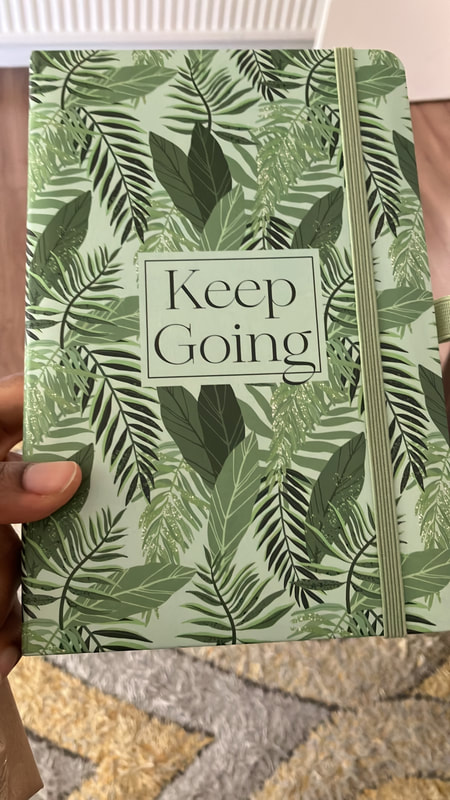 In need of a refreshing, rich, leafy green energiser? This Kiwi Spinach Mango combination will do the trick!
All you need is a few basic ingredients to make this luscious combo:
Instructions:
Then enjoy your energetic tropical blend in readiness for the day ahead! Found this recipe here whilst looking for a child-friendly wood polish to use for a toddler's memory box. I didn't want to use the standard wood vanish, since a toddler could touch the box and possibly put their hands in their mouth! This way, I know the ingredients used are child-friendly. Tried it out and I must say, it worked out pretty well.
Items Used: 1 cup Olive Oil 1/4 Cup grated Beeswax Instructions: 1)Put the Olive oil and grated Beeswax in a Pyrex or microwave safe container. 2) Allow to melt in a microwave at 30 second intervals until fully melted. Mix intermittently. (This stops it from overheating or bubbling over). 3) Once melted, pour into heat proof jars, allow to cool and set. Use as Wood Polish: 1) Apply a generous amount of wood polish onto cloth. 2) Polish the wood in the direction of the grain (This enhances the natural features of the wood). 3) Wait for a couple of minutes then polish again using a new cloth. That's it! Storage: Store in a air tight container Can last about a year. One of the key things with making crafts is knowing when to stop. Wanted to add more bits to this mini jewellery box, but it just looked better to keep it simple. Maybe I would do something with it later. For now, I'm happy to keep it simple, just had to sand it down and varnish. As they say, less can be more!  A Mother’s Day Tribute The work of a Mother is never done; Daily she wears her motherly badge; Placing the needs of those she loves before hers. Her tenacity is relentless; Her strength unabated; When it comes to nurturing, the lives in her care. Happy Mothering Sunday; To the communities of Mothers; Working hard to shape the future; Through the tender love they give. -Kemi West - I leave you with this beautiful mother's day rendition by artist 'Adua'. The words are so inspiring, it would be hard for any mother not to be moved by it. Enjoy! Though Valentine lasts a day, these customised mini memory boxes and address books will last a while longer. It just feels right to make something that shows love and appreciation for others that will still be of use to them long after Valentine day's over. Happy Valentine to all my lovely Valentines out there, you know yourselves! May this day be filled with sweet pleasant memories for us all. |
Archives
July 2024
Categories
Welcome to my blog, where I share things that inspire me. My faith, nature and the simple or imperfect things in life, are what brings me joy and inspire me to create. I look forward to sharing my inspirations with you. Thanks for stopping by!
|
 RSS Feed