|
The illusion of having more is a fallacy. Making the best use of what you have, will serve you better. Take a walk is a short poem highlighting the importance of walking to improve wellbeing. Walking, if one's health permits, is good for the soul. What’s more, it’s free with no gym membership required. A little walk can do amazing things for the body and mind. Especially at a time when much is being thrown our way, it just makes sense to slow things down and take a walk.
Vintage-inspired block printed book board with waxed and painted book edge....a simple way to put your personal stamp on your store bought journal or notebook!       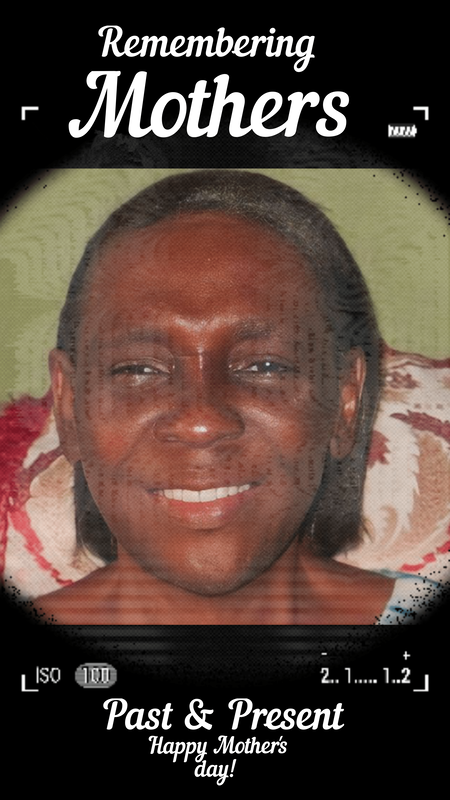 We can all learn a thing or two from a mother's love. Like when a baby poos. Regardless of the unpleasant scent that fills the air, a mother would simply clean up the baby whilst cooing to her infant between nappy change. That right there, is love in it's purest form. Makes me wonder whether we could all take a leaf from a mother's book and love those in our lives holistically. What do I mean? Imagine seeing a profile on a dating site that reads: "She will belch and fart at a moment's notice, interested? Call me!" Would you honestly make that call? May be or maybe not? Truth is, I kind of wonder why truths like these aren't mentioned on dating sites. It will surely save unnecessary pretence, so that people can just be themselves and do away with the superficial malarkey. Don't you think? That's why I'm taking my hat off to Mothers this Mother's Day. Because let's face it, loving someone unconditionally is not the easiest job in the world! On another note, it's hard not to remember Mum on Mothering Sunday. One thing I do remember was how I would follow her like a puppy wherever she went! If she went shopping, I went shopping, if she had a passion for something, I would be sure to follow suit. It's how I learned to crochet, take cookery classes and even dabbled into the world of craft making! So, as I sat down on a bench at the tube station on my commute from work and pulled out a health Bar to snack on, I had a flash back. This was what Mum and I used to do whenever we were out and about and needed a break. She would get me a light snack to munch, whilst we took a little break before continuing our shopping trip. 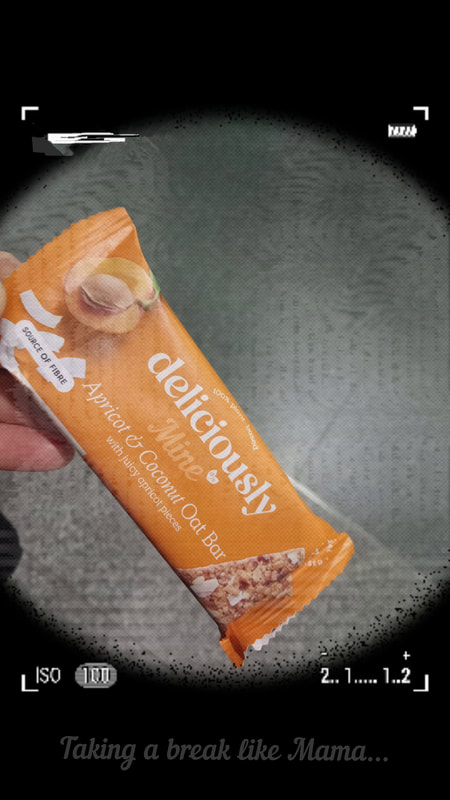 Somehow, I had continued this practice without giving it much thought until this moment. It's funny the subtle things we remember about those we've loved and lost. It brought a smile to my face. Clearly, Mum lives on in me. What would I say if Mum were here today? I would say, "Happy Mother's day to the one with a smile that melts life's troubles away." And in honour of all mothers past and present I say, Happy Mother's day. For sacrificing your time, your years, along with your toil and sweat to raise generations. 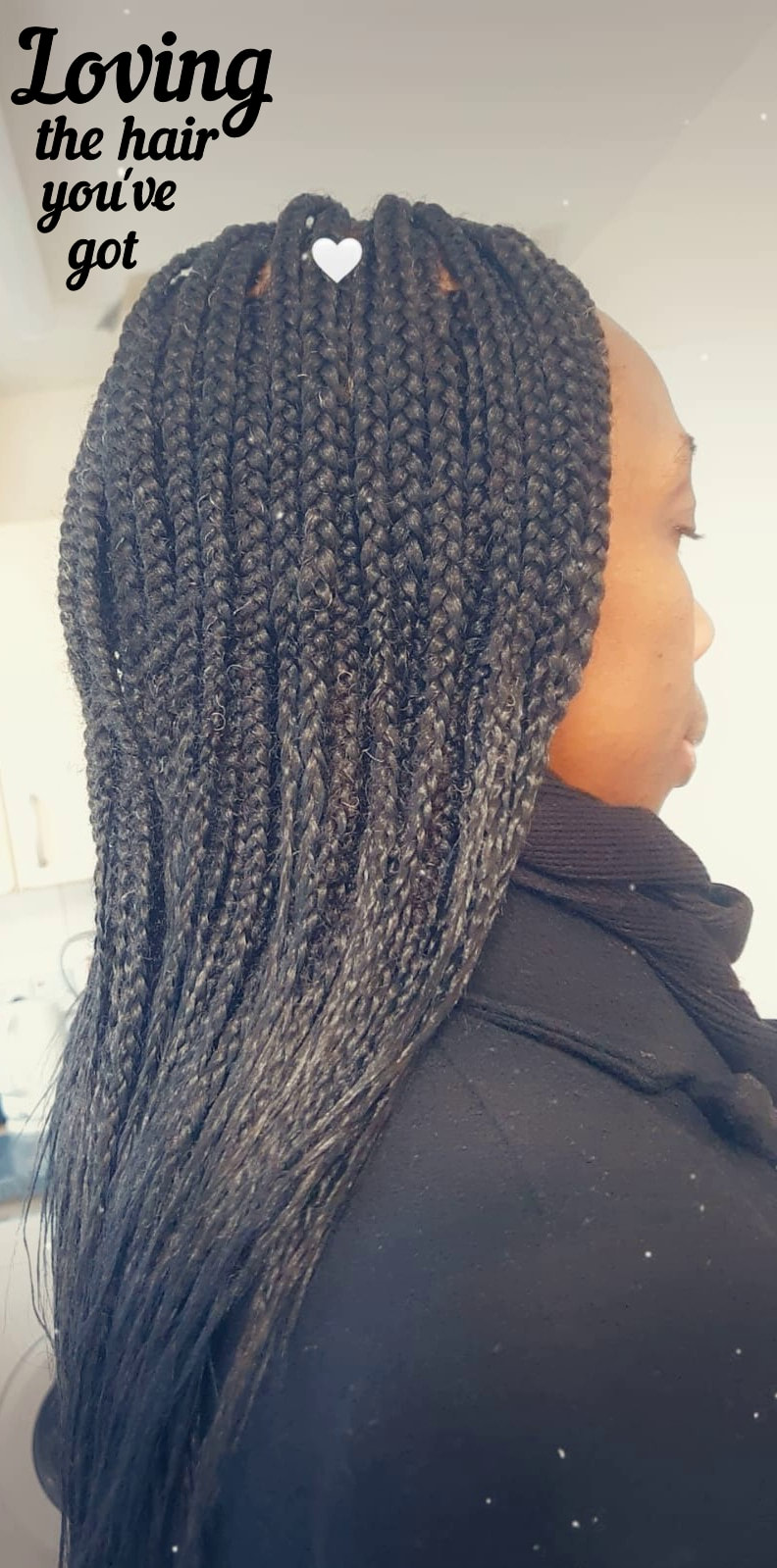 We spend Valentine's day showering loved ones with gifts but may not necessarily think much about doing the same for ourselves. Not sure why that is, afterall, love is a two way street and we all deserve to be loved! That was my thinking when I signed up to the Natural Afro Hair workshop run by ICI Care. Samantha, the founder of ICI Care delivered the training at an idyllic City farm, which made the workshop that little bit special. Imagine being surrounded by plants and learning how to use plants to nurture natural hair. They couldn't have picked a better location for the workshop. Samantha had such deep passion for her craft, with indepth knowledge of Afro hair to boot, that I suggested she writes a book. To find out more on ICI care or Samantha’s work, click here: ICI Care Let's just say, by the end of the workshop, I left on a high, armed with a wide range of treats to pamper my hair with. One of my favourite treat was the hair Mask. It left me with hair so soft, my hair stylist couldn’t help but notice the change in my hair texture when I went to do my hair. I'm talking change in hair texture that previously broke combs, to soft easy-to-manage hair that combs could easily glide through. So, I understood her surprise. Which is why, having gained this new found knowledge, I'm not looking to let it go. I'm now hoping to keep up with the pampering sessions long after Valentine's day is over. Possibly with some hair tea or hair detox treatment and maybe I'll even let my hair down to let it breathe. If there's anything I've learnt from taking time out to treat myself, it's that we don't always choose our situations, but we can find ways to make the best of it. On that note, what has the Natural Afro Hair workshop taught me? It's taught me that, 'If you can't change the hair you have, you should really learn to love the hair you've got. Hope you not only show love to your loved ones this Valentine's, but also take some quality time to shower yourself with love. Because let's face it, you're worth it! It's a biblical concept since the Bible says, God is love (1 John 4:7-8) and he commanded us to love not just him, but ourselves and others as well (Mark 12:30-31) As you know, my first love is Jesus and it won't be Valentine's day without giving a shoutout to the one who gives me unconditional love. To him and all you unconditional lovers out there, I dedicate this song 'Super Lover' by artist Greatman Takit. Have a great Valentine's! This year's winter lights was a reflection of our times. One of the stand out installations was 'Idle Time' by Marcus Lyall, making us question if we make productive use of our free time. At a time where we have more resources to make life easier, some of us still struggle to find spare time for leisure. Could it be that time is flying past and we're just playing catch-up? Or is it that we are not making valuable use of our spare time time at all. The questions Idle time raised will stay with me for sometime, helping to remind me to intentionally make better use of my time. Here are the highlights, including some other public artworks I discovered along the way. Finding the perfect card to express yourself can be challenging, but with a little creativity you can make a card that truly speaks from the heart. How? By customising a store-bought greeting card. To make one, you will need:
Instructions Step 1: Select A Blank Canvas Start by getting a blank greeting card from your local shop. This will serve as the canvas for the card you want to customise and choose a card that relates to the occasion you're celebrating. 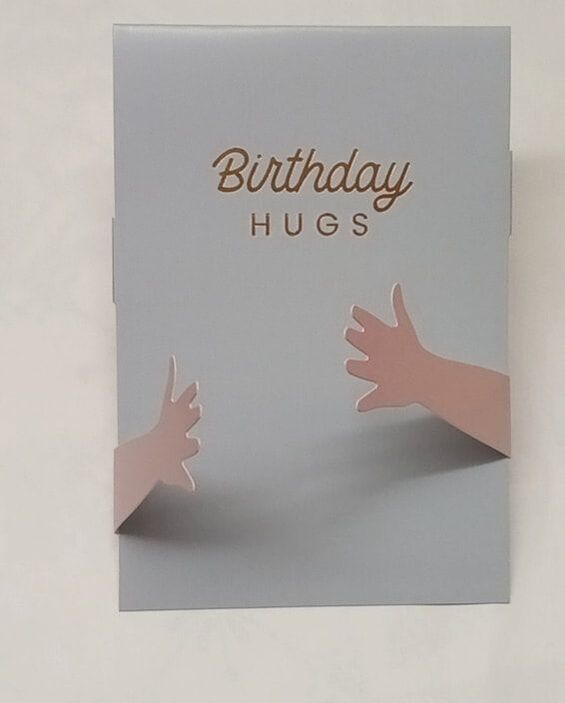 Step 2: Gather Embellishments Get one additional card that have elements you can cut out to use as embellishments. These can be decorative designs or any imagery that complements your theme. With a pair of scissors, carefully cut out the chosen elements, ready to be attached to your blank card. 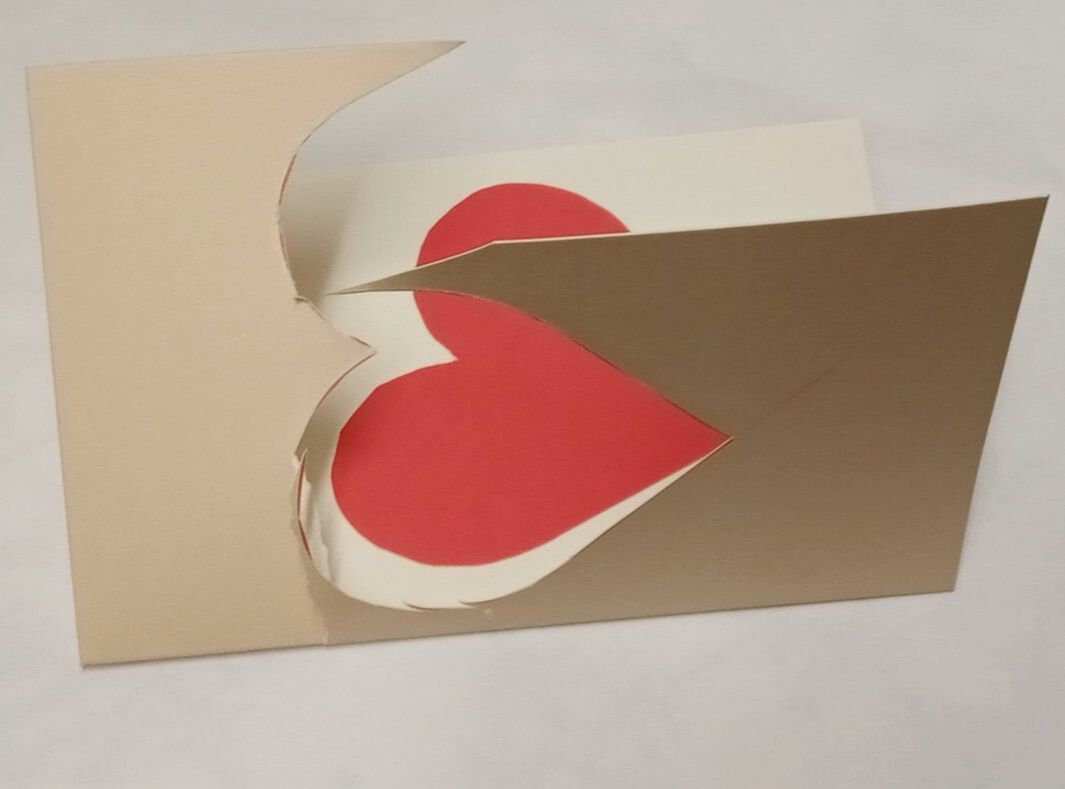 Step 3: Customise and Attach Embellishments Decide where you want your embellishments to be and attach them to your blank card. Use paper glue to secure them in place. Adding embellishments will give your card a visual appeal and transform it from a basic card into a uniquely customised piece of art. 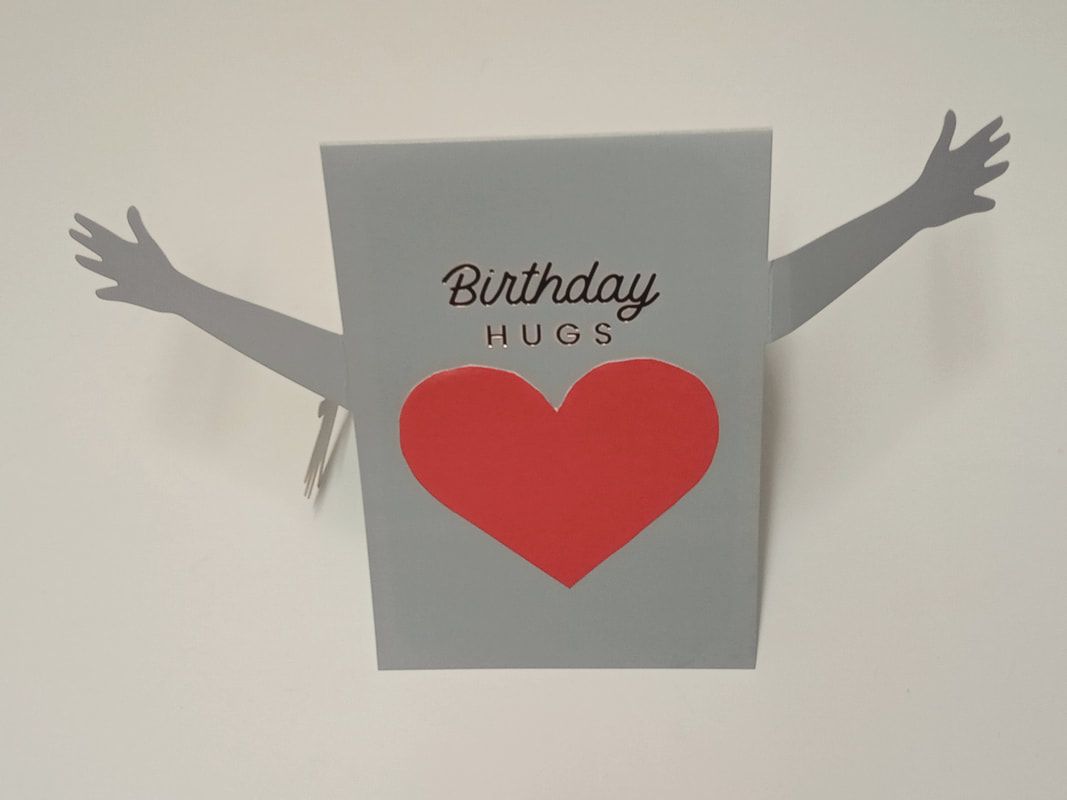 Step 4: Add Words From The Heart Adding words to your card will enhance its emotional impact. Try writing a heartfelt message that captures what you’re feeling. Your words can be handwritten to give it a personal touch or printed. If you prefer a printed touch, use a printer to transfer your carefully chosen words onto printing paper, then attach them to your card. 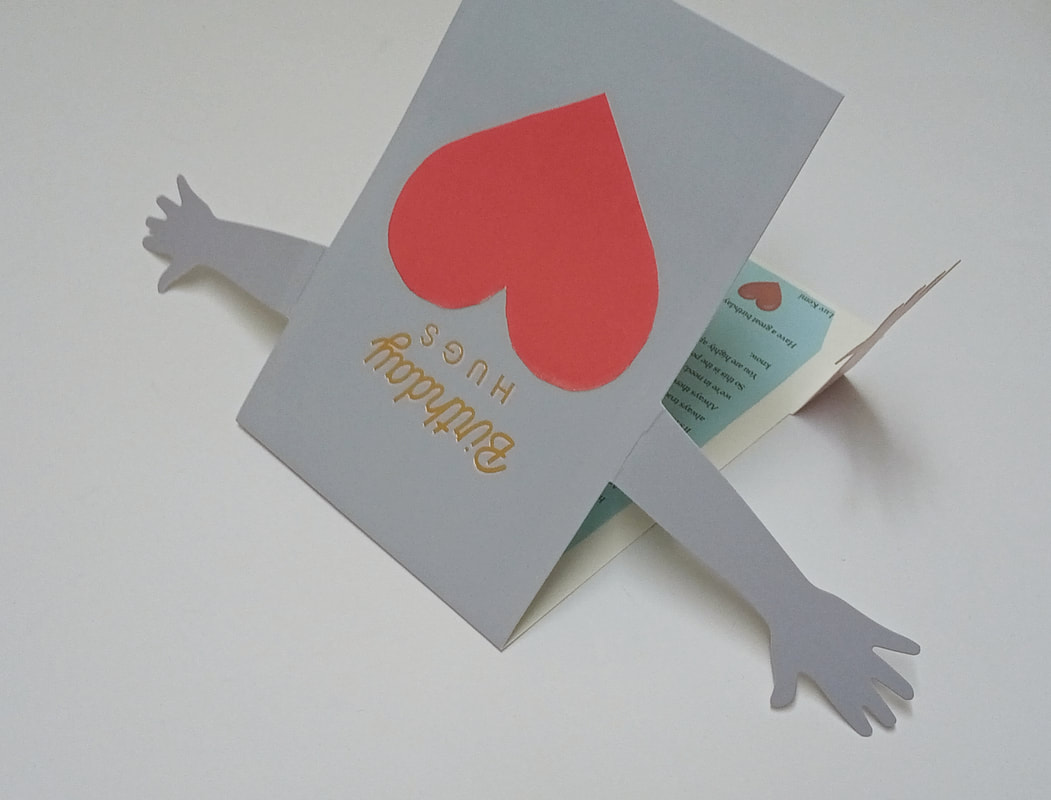 Step 5: The Final Touch When all the embellishments have been attached and your words have been added to your card, your card is finished! That card is now a reflection of your emotions and efforts. This is what makes the card beautiful and authentic because you’ve given it your personal touch. A touch that could be ever so simple or ever so grand. 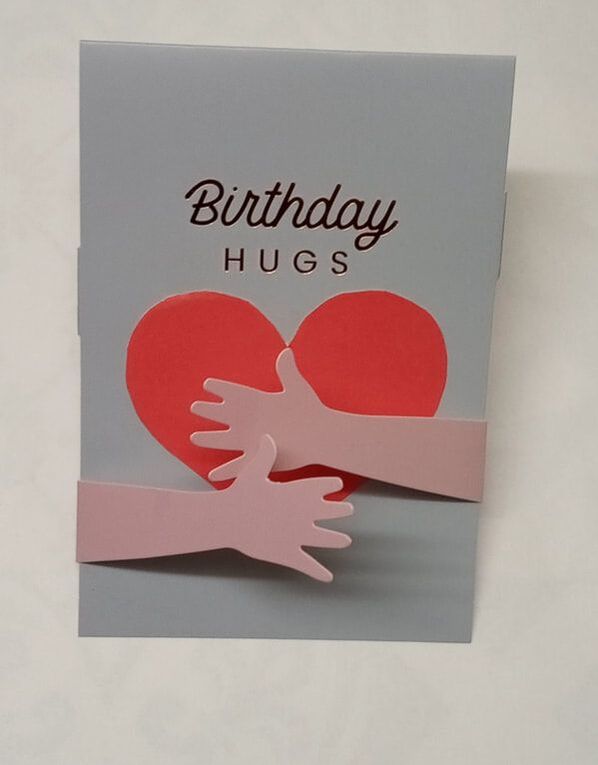 Remember, your customised card will represent the love, respect and consideration you have for the recipient of the card. Something that will be evident when they see the effort you’ve put into your customised card. So, grab those scissors, unleash your creativity and put your heart into crafting a card that will be cherished for its sincerity. After all, in the world of heartfelt gestures, it's the thought that truly counts! 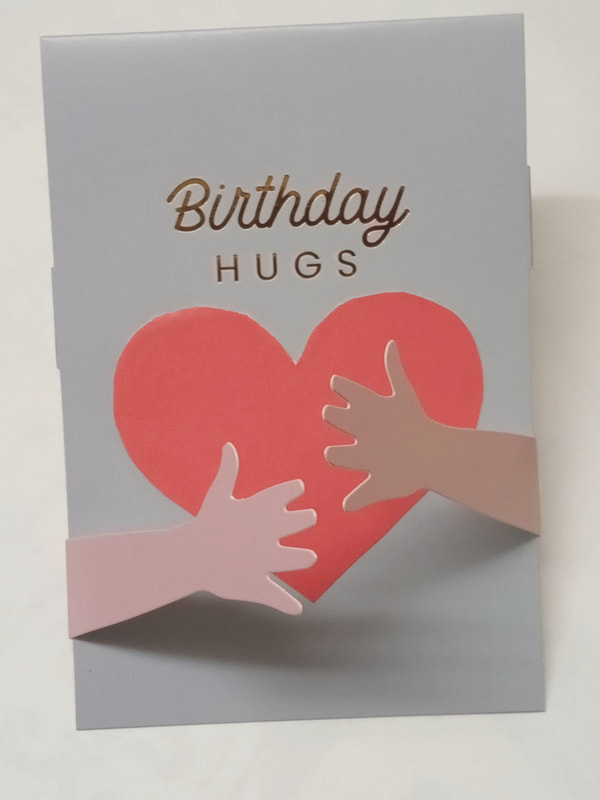 |
Archives
July 2024
Categories
Welcome to my blog, where I share things that inspire me. My faith, nature and the simple or imperfect things in life, are what brings me joy and inspire me to create. I look forward to sharing my inspirations with you. Thanks for stopping by!
|


 RSS Feed